


Preparing Young People with SEND for Adulthood
Growing up brings changes for every young person. New experiences, greater independence, changing routines and decisions about the future can all feel exciting, but they can also feel daunting.
For young people with special educational needs and disabilities (SEND), the journey towards adulthood can look very different from one person to another. There is no single route and no set timeline that every young person needs to follow.
Preparing young people with SEND for adulthood is about recognising their individual strengths, helping them build confidence and giving them opportunities to develop skills at a pace that feels right for them. For parents and carers, it can also mean learning when to offer support, when to encourage independence and how to help their young person feel positive about what comes next.
What Does Preparing for Adulthood Mean?
When we talk about preparing for adulthood, it can be easy to think immediately about education, employment or living independently.
While these can all be important goals, adulthood is about much more than that.
For some young people, progress might mean learning to travel somewhere more independently. For somebody else, it could be ordering their own meal, making new friends, communicating what they want or becoming more comfortable spending time away from their family.
Preparing for adulthood can involve developing:
Independence and everyday life skills
Confidence and self-esteem
Communication skills
Friendships and social connections
Decision-making skills
Greater involvement in the local community
New hobbies and interests
Understanding of personal choices and preferences
What matters most is that the goals are meaningful to the individual young person.
Building Independence One Step at a Time
Independence does not have to mean doing everything alone.
In fact, becoming more independent is often about understanding what you can do, what support you need and becoming more confident in expressing those needs.
Small everyday experiences can make a big difference.
Choosing what to wear, helping prepare food, paying for something in a shop, deciding which activity to take part in or helping plan a journey can all provide opportunities to practise independence.
Giving young people choices wherever possible can also help them understand that their opinions matter.
There may be some things a young person will always need support with and that is absolutely fine. The aim isn't to remove support, but to help each young person develop their own abilities and confidence.
Friendships and Social Confidence Matter Too
One part of adulthood that can sometimes be overlooked is having friends, enjoying hobbies and feeling part of a community.
Social opportunities can be incredibly valuable for young people with SEND.
Spending time with other young people can help build confidence, encourage communication and give young people the opportunity to develop friendships outside their immediate family or school environment.
And, importantly, it should be fun!
Clubs, activities, trips out and social groups provide opportunities to try something new without every experience needing to feel like a lesson or another target to achieve.
Building Confidence Outside the Family Home
For some families, spending time apart can be a significant step.
Parents and carers understandably want to know that their young person is safe, happy and properly supported. At the same time, having opportunities away from family can give young people the chance to develop their own relationships, interests and identity.
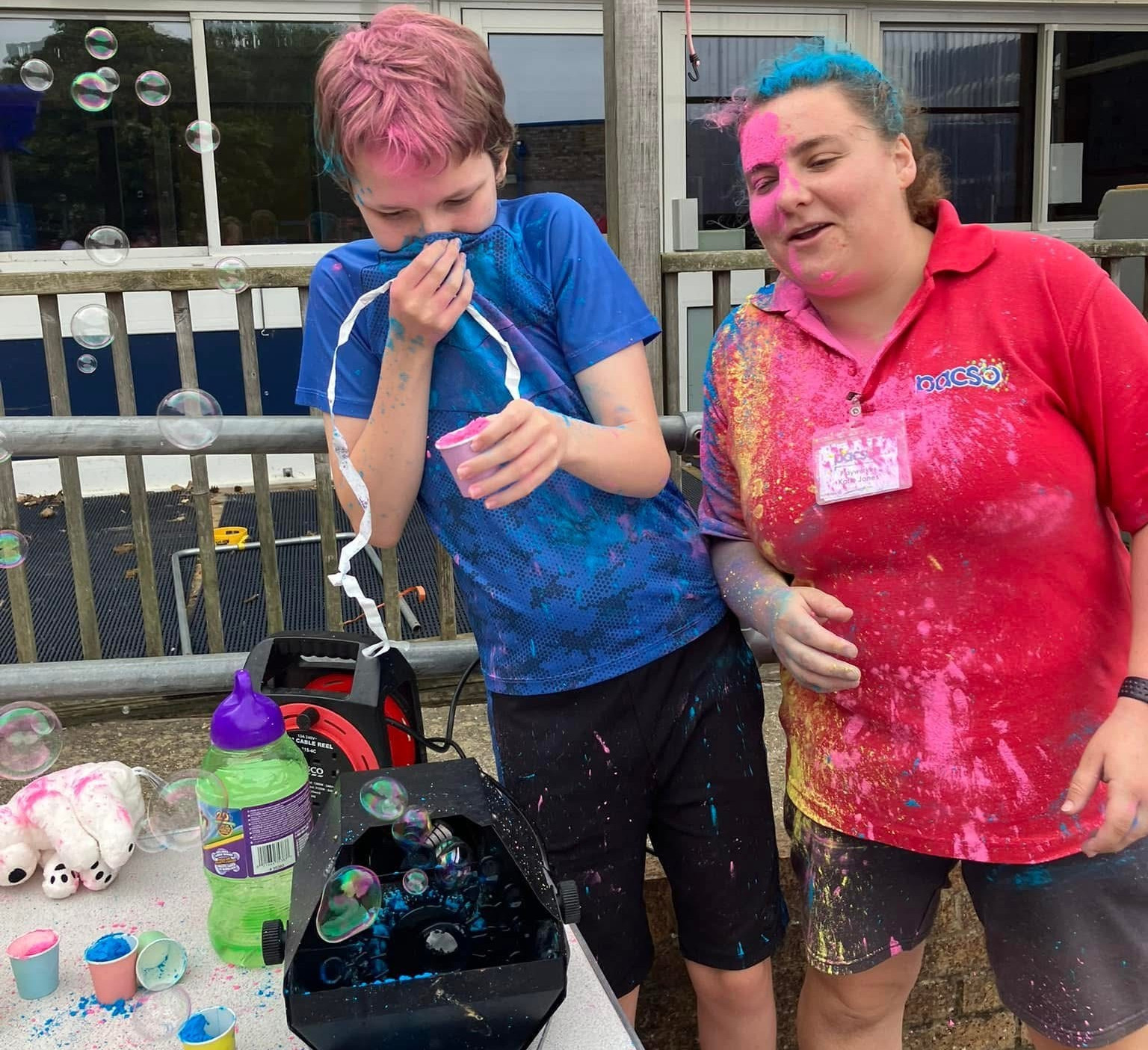
PACSO activities are designed to be inclusive and fun while helping children and young people build resilience, independence and self-esteem. Young people are supported by a trained Play Team so they can participate in activities away from their families, while parent carers receive valuable respite.
PACSO Plus: Supporting Young Adults with SEND
Support, friendship and opportunities to have fun shouldn't suddenly disappear as a young person gets older.
That's why PACSO Plus is dedicated to young adults aged 19–25.
PACSO Plus provides opportunities for young adults to make friends, build confidence, explore new hobbies and spend time with their peers in a supportive and inclusive environment. Activities include evening youth groups during term time as well as holiday activities and trips.
These experiences can provide something incredibly important during the transition into adulthood: the opportunity to simply be a young adult.
To go out. To meet friends. To try something different. To have fun. And to become increasingly confident in the wider world.


